
My SZN Guide · Wellness · 🍂 Autumn
Ginger, Turmeric and Matcha: Warming Drinks, Honest Claims
Three things worth having in the cupboard in the cold half of the year, and what they will and won't do.
Guide · low-cost · 5 minutes · 6 min read
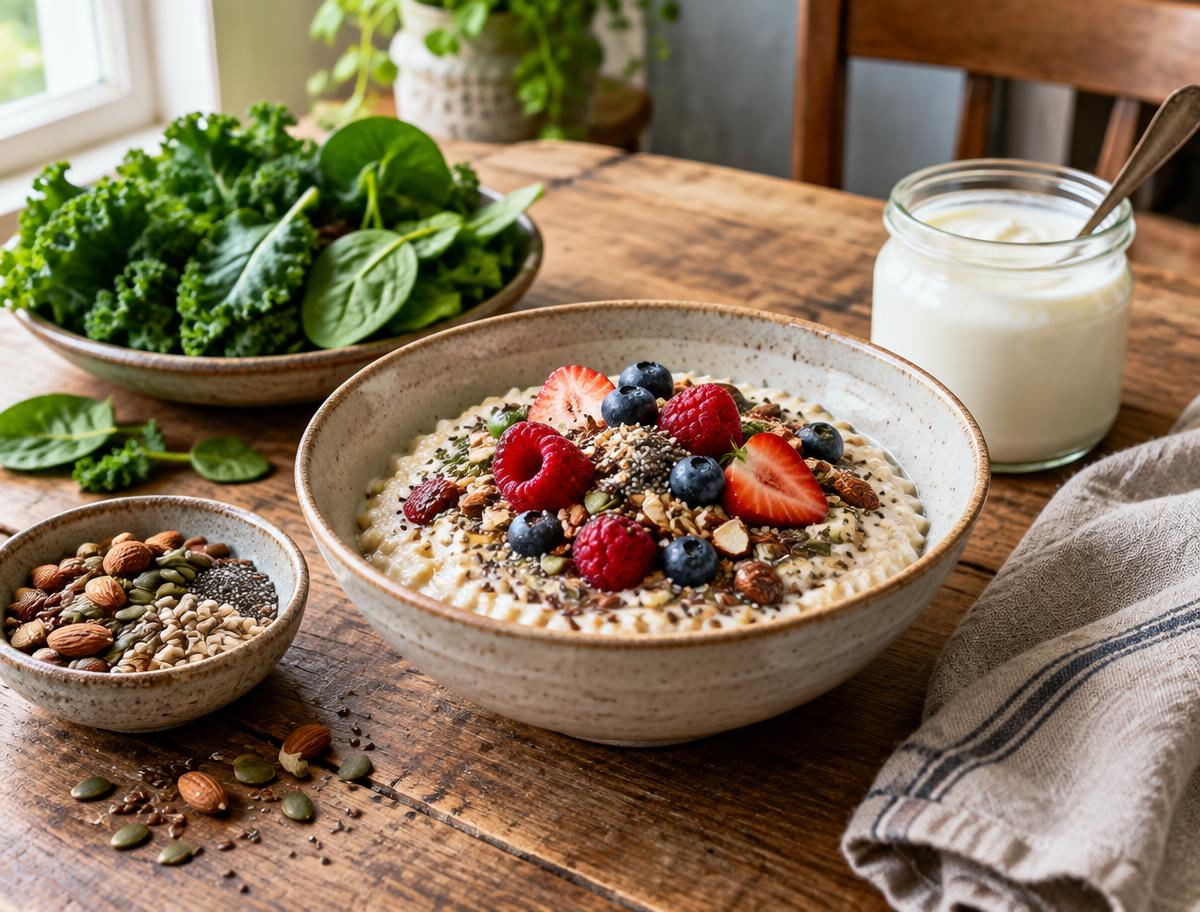
Three ingredients get more health claims attached to them than almost anything else in the cupboard. They're also genuinely lovely drinks, which is a better reason to make them.
Here's how to make each one properly, and what the evidence actually supports — which is less than the packaging implies, and more than nothing.
Fresh ginger tea
- Slice a thumb of fresh ginger thinly — no need to peel if it's clean.
- Cover with just-boiled water in a mug or small pan and leave for five to ten minutes.
- Add lemon and a little honey if you like. Honey isn't suitable for babies under one.
- Strain if you prefer, or leave the slices in and top up through the afternoon.
A turmeric latte worth drinking
- Warm 250ml of milk of your choice with half a teaspoon of ground turmeric.
- Add a pinch of black pepper, a pinch of cinnamon and a small grating of fresh ginger.
- Whisk while warming so it doesn't go grainy, and sweeten lightly if you want.
- Don't boil it hard — it turns bitter and stains everything it touches.
Matcha, briefly
Matcha is powdered green tea, whisked rather than steeped, so you drink the leaf. It has caffeine — roughly in the region of a cup of coffee depending on how much powder you use.
Water just off the boil, around 80°C, or it turns bitter. Sift the powder, whisk it into a little water first, then top up with hot water or milk.
My SZN has a fuller version of this in the matcha guide, including which grade to buy and why the cheap catering tins taste like a lawn.
What the claims are actually worth
Ginger has reasonable evidence for helping with nausea in some situations; the broader claims are weaker. Turmeric has been studied a great deal, mostly at concentrated supplement doses rather than the amount in a latte, and results are mixed — a spoon in warm milk is a nice drink, not a medicine. Matcha is green tea, with the usual caffeine considerations. None of these treat or prevent illness. Turmeric supplements in particular can interact with blood thinners and other medication and have been linked to rare liver problems, so speak to a pharmacist or GP before taking concentrated forms. If you're pregnant, breastfeeding, on medication or managing a condition, ask before adding any of these in large or supplement quantities.
Keep it for this SZN
- Make fresh ginger teaA thumb of ginger and a mug of hot water.⏱️ 10 minutes📶 Easy🧺 Fresh gingerKept for later 🤎
- Make a turmeric latte at homeMilk, turmeric, pepper, cinnamon, whisked not boiled.⏱️ 5 minutes📶 EasyKept for later 🤎
Anything you keep lands in My Keeps — ready to plan, live and remember.
Questions people ask
- Does turmeric need black pepper?
- Pepper contains piperine, which improves absorption of curcumin in studies. In a latte it also tastes better, so it's an easy habit either way.
- How much caffeine is in matcha?
- It varies with how much powder you use, but a typical cup sits in a similar range to coffee. If you're sensitive to caffeine or pregnant, it counts towards your daily total.
Sources
My SZN editorial. Opening times, prices and local conditions change — always check with the place you're visiting before you travel.
More My SZN Guides
My SZN Guide · Wellness
A 10 Minute Morning Stretch Routine You'll Actually Do
Eight movements, no equipment, done before the kettle has boiled.
6 min read
My SZN Guide · Wellness
Stretches for Beginners at Home: Where to Start
A full-body sequence for people who describe themselves as 'not flexible', and what actually changes.
7 min read

My SZN Guide · Wellness
Desk Stretches: Five Minutes That Change an Afternoon
What to do at 11 and at 3, without leaving your chair or explaining yourself to anyone.
5 min read